
Preparing for Your DUI First Court Appearance California

10
Minutes or less Avg. Response Time

1000+
Handled Cases

99%
Client Satisfaction
What Is a DUI First Court Appearance?
A DUI first court appearance is typically the beginning of the criminal court process following a DUI arrest in California. In many cases, this hearing includes the arraignment, where the court formally advises the defendant of the charges and explains certain legal rights.
The first court appearance is an important step in the case because it establishes how the matter will move forward. During this hearing, the court may address issues such as the charges, plea options, release conditions, and future court dates.
Understanding what typically happens at a first DUI court appearance can help individuals feel more prepared and avoid unnecessary confusion about the court process.
What to Expect at Your First DUI Court Appearance in California
The exact procedures vary from case to case, but most first DUI court appearances involve several common steps.
Arraignment
The arraignment is often the first event that occurs during a DUI court appearance. During this process:
- The court confirms the defendant’s identity and basic information.
- The charges are formally presented.
- The court explains certain legal rights.
- A plea may be entered.
- Future steps in the case may be discussed.
If the case continues, additional court dates may be scheduled and the parties may begin preparing for the next stage of the proceedings.
Bail and Release Conditions
In some cases, the court may address bail or release conditions during the first appearance. This issue is more likely to arise when a person remains in custody or when the case involves additional charges or more serious allegations.
The court may decide whether release conditions should remain in place, be modified, or be addressed in another manner as the case proceeds.
Plea Discussions
Some cases may involve discussions about possible plea agreements. A plea agreement is a negotiated resolution between the prosecution and the defendant that may resolve the case without a trial.
Whether a plea agreement is appropriate depends on the facts, evidence, and circumstances involved. Individuals should carefully consider any proposed resolution before making decisions about their case.
Scheduling Future Court Dates
After addressing preliminary matters, the court will often schedule the next stage of the case. This may include a pre-trial conference, motion hearing, or another court appearance.
The court may also provide instructions regarding deadlines, required appearances, or other obligations that must be completed before the next hearing. Following these instructions can help avoid unnecessary delays and complications.
Practice Areas
Locations
DMV Hearing and License Suspension
In addition to the criminal court process, a DUI arrest may trigger a separate administrative proceeding through the California Department of Motor Vehicles (DMV). This process focuses on driving privileges rather than criminal penalties.
Following a DUI arrest, individuals generally have a limited period to request a DMV hearing. If a hearing is not requested within the applicable timeframe, the DMV may proceed with a license suspension or other administrative action.
The purpose of the DMV hearing is to review the circumstances of the arrest and determine whether administrative penalties affecting driving privileges should apply. Because the DMV process is separate from the criminal court case, the outcome of one proceeding does not necessarily determine the outcome of the other.
What Can Impact the Outcome of a DUI Case?
DUI cases are often evaluated based on the evidence collected during the traffic stop, arrest, and investigation. Depending on the circumstances, questions may arise about whether legal procedures were followed correctly and whether the evidence is reliable.
Some issues that may be examined in a DUI case include:
- Traffic Stop and Arrest Procedures: A DUI case may involve questions about the reason for the traffic stop or the procedures used during the arrest. Courts may review whether law enforcement followed applicable legal requirements throughout the process.
- Chemical Testing Procedures: Breath, blood, or other chemical test results are often important pieces of evidence in DUI cases. Questions may arise regarding testing procedures, equipment maintenance, calibration records, or the handling of test samples.
- Evidence Collection and Documentation: Police reports, witness statements, video recordings, and other evidence may be reviewed to determine whether the information is complete, accurate, and consistent with the facts of the case.
- Procedural and Legal Issues: Certain cases may involve legal questions related to evidence, court procedures, or other aspects of the investigation. These issues are typically evaluated based on the specific facts and circumstances involved.
What Happens After Your First DUI Court Appearance?
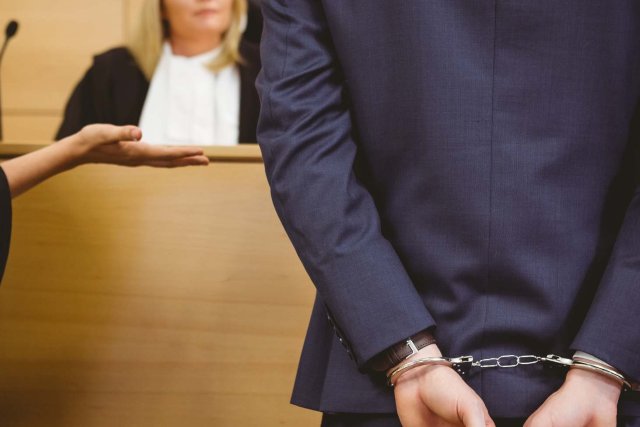
The first court appearance is usually one of the earliest stages of a DUI case. After addressing initial matters, the court may set additional hearing dates and establish deadlines that must be followed throughout the matter.
Depending on the circumstances, future stages may involve pre-trial conferences, motion hearings, plea discussions, or other scheduled appearances. The court may also require compliance with specific conditions, programs, or other obligations while the matter remains pending.
Carefully reviewing court instructions and keeping track of important dates can help ensure that all requirements are met and that no deadlines are missed.
Understanding Your Next Steps
A first DUI defense attorney court appearance is often just one step in a larger legal process. Reviewing court instructions, keeping track of important deadlines, and understanding upcoming requirements can help you stay informed as your case moves forward.
If you have questions about a DUI-related matter or the court process, consider reaching out to the Law Office of Rebecca Feigelson for additional information and guidance regarding your circumstances and available options under California law.

Frequently Asked Questions
What Is a DUI First Court Appearance in California?
A DUI first court appearance is usually the first formal hearing after a DUI arrest. In many cases, this hearing includes the arraignment, where the court explains the charges, advises the defendant of certain rights, and asks for a plea.
What Happens During a DUI First Court Appearance?
During the first court appearance, the court may review the charges, explain legal rights, address release conditions, and ask for a plea. The judge may also schedule future court dates or provide instructions about the next stage of the case.
Do I Need to Attend My First DUI Court Appearance?
Attendance requirements vary depending on the circumstances of the case and whether representation has been arranged. Individuals should carefully review their court notices and follow any instructions provided by the court.
What Happens If I Miss My First DUI Court Date?
Missing a required court appearance can create additional legal issues and may delay the court process. Depending on the circumstances, the court may take further action regarding the missed appearance.
What Happens After the First DUI Court Appearance?
After the first hearing, the court may schedule additional proceedings, such as pre-trial conferences or other hearings. The parties may also begin preparing for the next stage of the case, depending on the issues involved.